


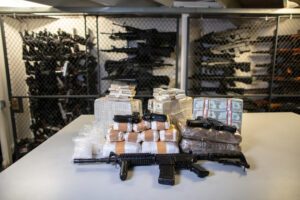
If you’ve been charged with a drug-related offense in California, the prosecution will rely on various types of evidence to build their case against you. Whether you're facing possession, distribution, or manufacturing charges, understanding the evidence used in drug cases can help you and your attorney craft a strong defense.
Here’s a breakdown of the most common types of evidence used in California drug cases and how they can impact your case. Contact Law Office of Michael L. Fell at (949) 585-9055 for a free legal consultation.
1. Physical Evidence (Drugs and Paraphernalia)
One of the most critical pieces of evidence in a drug case is the drugs themselves. Law enforcement typically seizes:
- Illegal substances such as cocaine, heroin, methamphetamine, or fentanyl
- Prescription drugs without a valid prescription
- Drug paraphernalia like pipes, syringes, or digital scales
- Large amounts of cash, which may suggest drug sales
How This Evidence is Challenged:
- The chain of custody must be properly maintained, meaning evidence cannot be lost, tampered with, or mishandled.
- If the drugs were obtained through an illegal search and seizure, they may be inadmissible in court.
2. Lab Testing and Chemical Analysis
To prove that a substance is illegal, prosecutors must present lab test results confirming its identity. A police crime lab will analyze the evidence and issue a toxicology report.
How This Evidence is Challenged:
- Testing errors or contaminated lab samples could result in false findings.
- The credibility of the forensic analyst can be questioned, especially if they have a history of errors.
3. Witness Testimony
Prosecutors may use testimony from:
- Arresting officers, who describe how the drugs were found.
- Confidential informants, who may have provided tips about alleged drug activity.
- Expert witnesses, such as forensic scientists or narcotics officers.
How This Evidence is Challenged:
- Witnesses, including police officers, may have inconsistent statements or biases.
- Confidential informants are often unreliable, as they may have personal motives for cooperating with law enforcement (such as reducing their own charges).
4. Surveillance Footage and Recordings
In some drug cases, prosecutors rely on:
- Security camera footage from locations where drugs were allegedly bought or sold.
- Police body camera recordings capturing the arrest or search.
- Wiretaps or recorded phone calls, often used in drug trafficking investigations.
How This Evidence is Challenged:
- Video footage must clearly identify the defendant’s involvement.
- Wiretaps must be obtained legally with a proper warrant—if not, the evidence may be thrown out.
5. Police Reports and Field Notes
Officers document everything about an arrest in police reports, including:
- Where the drugs were found
- Whether the suspect resisted arrest
- Any statements made by the defendant
- Observations about drug impairment
How This Evidence is Challenged:
- Officers may exaggerate or misinterpret a suspect’s actions.
- If reports conflict with other evidence, they can be discredited.
6. Statements and Confessions
If a suspect admits to possession, sale, or use of drugs, prosecutors may use it as direct evidence. However, these statements are only valid if they were made voluntarily and legally obtained.
How This Evidence is Challenged:
- If a confession was made without being read Miranda rights, it can be suppressed.
- Coerced confessions—where a suspect was threatened or pressured—are not admissible in court.
Defending Against Drug Charges in California
A strong defense can challenge the evidence used against you. Common strategies include:
- Illegal Search and Seizure: If police violated your Fourth Amendment rights, evidence may be excluded.
- Lack of Possession: If drugs were found in a shared space (like a car or home), prosecutors must prove you had control over them.
- Entrapment: If law enforcement induced you to commit a crime you otherwise wouldn’t have committed, the charges could be dismissed.
- Lab Testing Errors: If lab analysis is flawed, the prosecution’s case weakens.
Protect Your Rights – Call a Criminal Defense Attorney Today
If you’re facing drug charges in California, the prosecution will use every piece of evidence possible to secure a conviction. That’s why having an experienced criminal defense attorney is critical.
At Law Office of Michael L. Fell, we fight aggressively to challenge weak evidence, unlawful searches, and procedural violations. Call (949) 585-9055 today for a free consultation and let us help protect your rights and your future.