


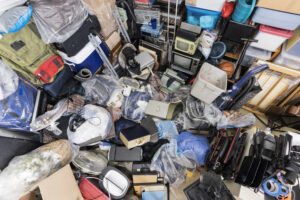
Hoarding is a complex mental health condition characterized by the excessive accumulation of items and difficulty discarding them, often resulting in cramped and unsanitary living conditions.
While hoarding is recognized as a disorder, it can also lead to legal consequences in California if it affects public health and safety. If you or a loved one is struggling with hoarding and facing legal charges, understanding how California law addresses this issue is essential. Contact Law Office of Michael L. Fell at (949) 585-9055 for a free legal consultation.
What Is Hoarding Disorder?
The Mayo Clinic defines hoarding disorder as the persistent difficulty discarding or parting with possessions due to a perceived need to save them. This condition can result in distress at the thought of letting go of items, regardless of their actual value. Hoarding can go beyond personal challenges and become a public issue when unsanitary conditions affect neighbors or public spaces, hoarded items pose fire hazards or other safety risks, or odors or visible clutter interfere with the enjoyment of nearby properties. When these issues arise, California law may classify hoarding-related conditions as a public nuisance, leading to potential criminal charges.
How California Defines Public Nuisance
California Penal Code 372 and 373a make it a crime to create or allow a public nuisance to exist on a property. A public nuisance is defined as anything that is harmful to health, indecent, or offensive to the senses, and interferes with the enjoyment of life or property for an entire community, neighborhood, or a significant number of people. In the context of hoarding, public nuisance charges may apply if garbage, furniture, or clutter visible to the public creates an eyesore or hazard, or unsanitary conditions cause odors offensive to neighbors.
Legal Consequences of Hoarding as a Public Nuisance
Under California law, creating or allowing a public nuisance is a misdemeanor. A conviction for violating Penal Code 372 or 373a can result in misdemeanor probation, up to six months in county jail, and fines of up to $1,000 plus an additional $200 fine. These penalties highlight the seriousness of public nuisance charges, particularly when hoarding impacts public health and safety. Beyond legal consequences, the ongoing presence of an unresolved public nuisance can lead to further fines, legal action, and complications for the property owner.
Addressing Hoarding Disorder and Avoiding Legal Issues
Hoarding is a mental health condition that requires understanding and appropriate treatment. For those facing legal issues related to hoarding, seeking help for the underlying disorder can be a critical step. Working with mental health professionals and community resources may help address the behavior and create safer living conditions. If you or a loved one is charged with a public nuisance related to hoarding, consulting an experienced attorney is essential. A criminal defense attorney can evaluate the circumstances of the case, negotiate with prosecutors, and potentially reduce or dismiss the charges.
Seek Legal Guidance to Protect Your Rights
Hoarding is a serious issue that can have both personal and legal consequences. While the condition poses challenges for those directly affected, it can also result in criminal charges when it impacts the broader community.
If you or someone you know is facing public nuisance charges related to hoarding, contact Law Office of Michael L. Fell at (949) 585-9055. Our experienced attorneys can help you navigate the legal process and work toward a resolution that addresses both the legal and underlying mental health aspects of the situation.