


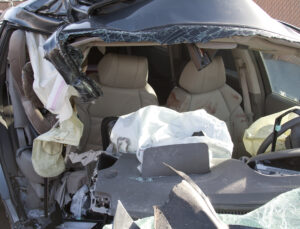
Fatal car accidents are among the most traumatic events a person can experience—and for those involved, the legal aftermath can be just as devastating. In California, not every fatal crash results in criminal charges. But under certain circumstances, you could be held criminally liable, even if you didn’t intend to harm anyone.
At Law Office of Michael L. Fell, we help individuals throughout Southern California understand and fight serious charges stemming from deadly collisions. Whether you’re under investigation or already facing charges, it’s crucial to understand when a fatal accident becomes a criminal matter—and what your legal options are.
Fault vs. Criminal Liability: What’s the Difference?
In civil court, "fault" in a fatal accident usually means financial responsibility for wrongful death damages. But in criminal court, fault can rise to the level of a vehicular manslaughter or murder charge, depending on the driver’s actions and state of mind.
California prosecutors can charge someone criminally if the death resulted from:
- Gross negligence
- Reckless or illegal behavior
- Driving under the influence of drugs or alcohol
Even if you didn’t mean to hurt anyone, you could still be criminally charged if the law deems your behavior excessively dangerous or unlawful at the time of the crash.
Vehicular Manslaughter Charges in California
California law recognizes different levels of vehicular manslaughter:
Misdemeanor Vehicular Manslaughter (Penal Code § 192(c)(2))
This charge applies when a person causes a fatal accident while committing a traffic infraction or driving negligently—but not recklessly.
Example: Rolling through a stop sign and accidentally striking a pedestrian.
Penalties may include:
- Up to 1 year in county jail
- Fines
- License suspension
Gross Vehicular Manslaughter (Penal Code § 192(c)(1))
This is a more serious felony offense. It applies when a person causes a fatality through gross negligence—behavior far beyond ordinary carelessness.
Example: Speeding excessively through a residential area or texting while driving at high speeds.
Potential penalties:
- 2 to 10 years in state prison
- Heavier fines
- Lengthy license revocation
Gross Vehicular Manslaughter While Intoxicated (Penal Code § 191.5(a))
If you were driving under the influence and acted with gross negligence, this felony charge applies. It carries even steeper penalties:
- 4 to 10 years in state prison (or more for repeat DUI offenders)
- Permanent driver’s license revocation
- Felony record
Can a Fatal Accident Lead to Murder Charges?
In rare but serious cases, a fatal crash may lead to second-degree murder charges under the Watson rule. This usually happens when a driver:
- Has a prior DUI conviction
- Has been formally warned about the dangers of impaired driving (Watson advisement)
- Drives drunk again and causes a death
These cases carry 15 years to life in prison and are treated with the same severity as other forms of murder.
What Happens After a Fatal Accident?
If you were involved in a deadly crash, law enforcement will conduct an in-depth investigation. This may include:
- Toxicology tests
- Accident reconstruction
- Witness statements
- Review of your driving record
What you say during this process matters. Even offhand comments can be used against you. That’s why you should contact a criminal defense attorney immediately—even before charges are filed.
Protect Your Rights with Law Office of Michael L. Fell
Being involved in a fatal car accident doesn’t automatically make you a criminal. However, if law enforcement believes your actions contributed to the death, you could face charges that threaten your freedom, your reputation, and your future.
At Law Office of Michael L. Fell, we work with accident reconstruction experts, challenge flawed evidence, and develop strong, compassionate defenses to help our clients move forward.
If you’ve been involved in a fatal accident or are under investigation, call (949) 585-9055 today for a confidential consultation. We’ll stand by your side and fight to protect your rights.